Book project
Opposition: How Ideology Disrupts Authoritarian Elections
Under review at Cambridge University Press
Elections are an essential component of democracy. Yet some form of electoral competition exists in nearly all the world’s authoritarian regimes. A common view holds that non-democratic elections do not influence policymaking and rarely induce democratization—a view echoed by over two decades of research showing that elections help dictators stay in power. Opposition challenges this received wisdom by shifting focus away from dictators themselves and towards the actors, groups, and movements that oppose them. Elections may not generate democratization, but this book shows that they often generate powerful oppositions. This empirical observation requires a rethinking of the relationship between dictators, elections, and the oppositions they are designed to control.
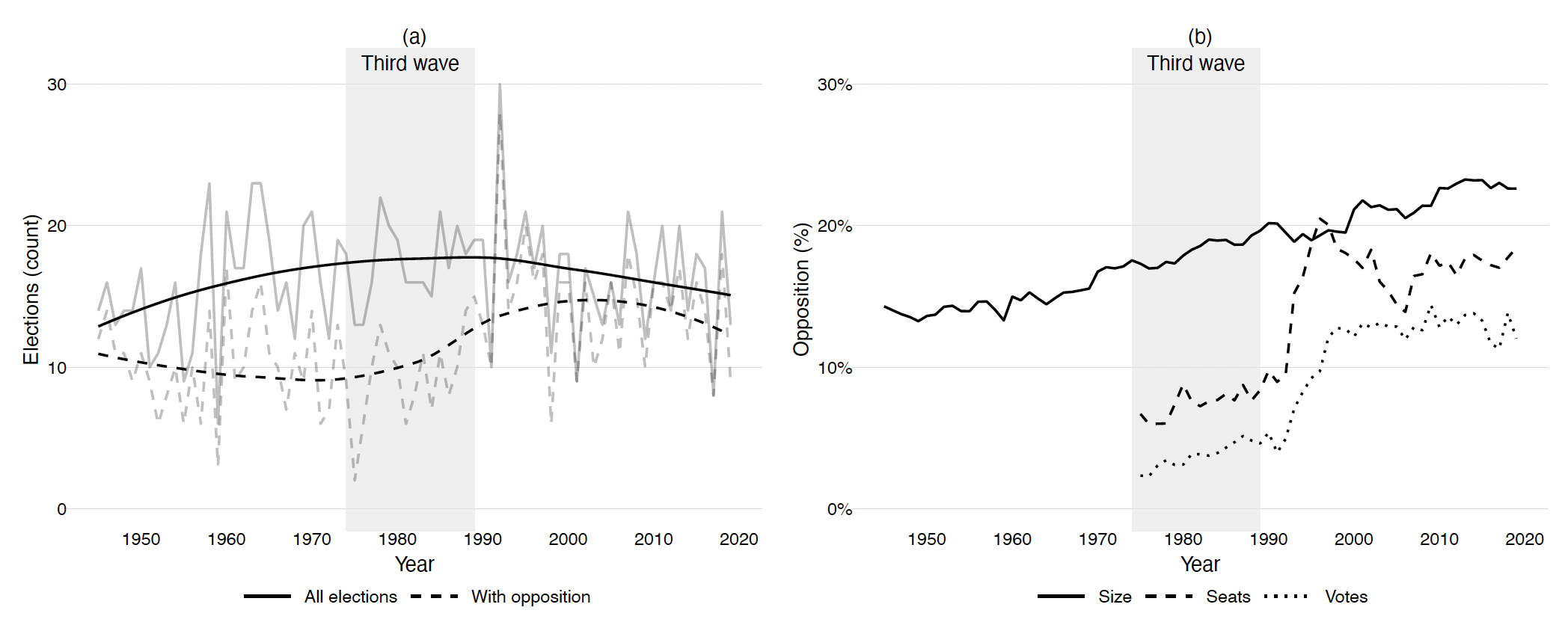
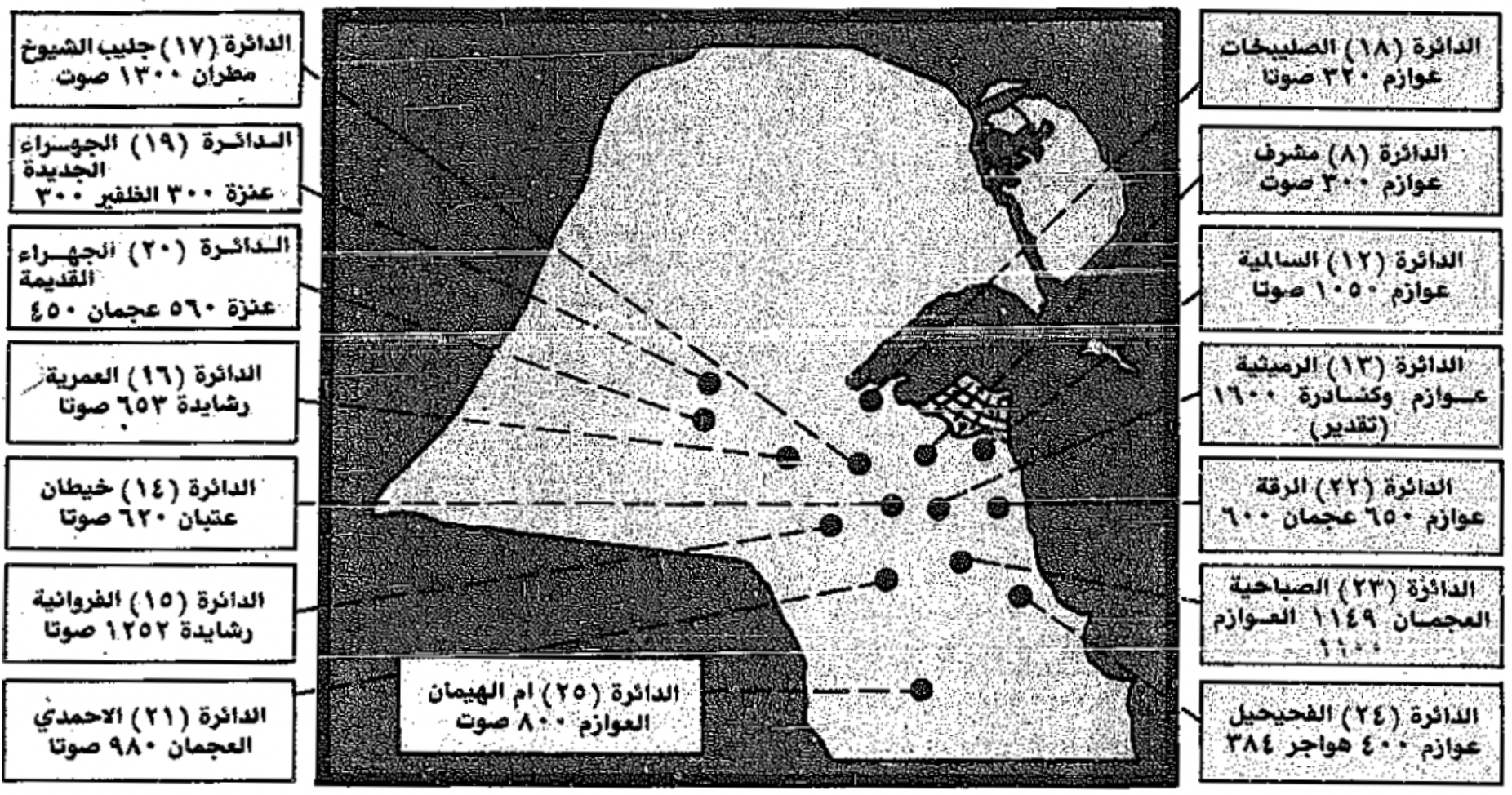
The book develops a theory of opposition that begins with a simple observation: the same electoral rules autocrats build to stay in power can, under certain conditions, give rise to the very oppositional forces they are designed to control. In other words, oppositions emerge from within the dynamics of electoral competition itself. Existing theories focus on how elections help dictators manage rivals, monitor dissent, and reward supporters. These accounts are not wrong, but they are incomplete. They cannot explain why so many authoritarian elections produce oppositions that persist and intensify over time, or why the tools autocrats deploy to tame oppositions so often fail. The book argues that answering these questions requires attending to two factors these theories largely neglect: identity and ideology. In societies where ethnic divisions run deep, dictators build electoral coalitions around ethnic majorities—leaving minority elites without a reliable path to power. Where elections are competitive enough and legislatures have real authority, these excluded elites respond by embracing ideological politics—aligning themselves publicly with movements that appeal to a variety of different ethnic groups. The logic is strategic: by staking their candidacies on ideas rather than ethnic loyalty, minority candidates can win votes from outside their ethnic group. But ideological attachments are not easily abandoned. Once in office, these legislators face strong pressure to deliver on their ideological commitments—and it is precisely this pressure that drives the confrontational legislative behavior at the heart of the book. That behavior takes many forms: voting against government legislation, forcing ministerial resignations, and using the tools of legislative oversight to challenge the dictator’s policy agenda.
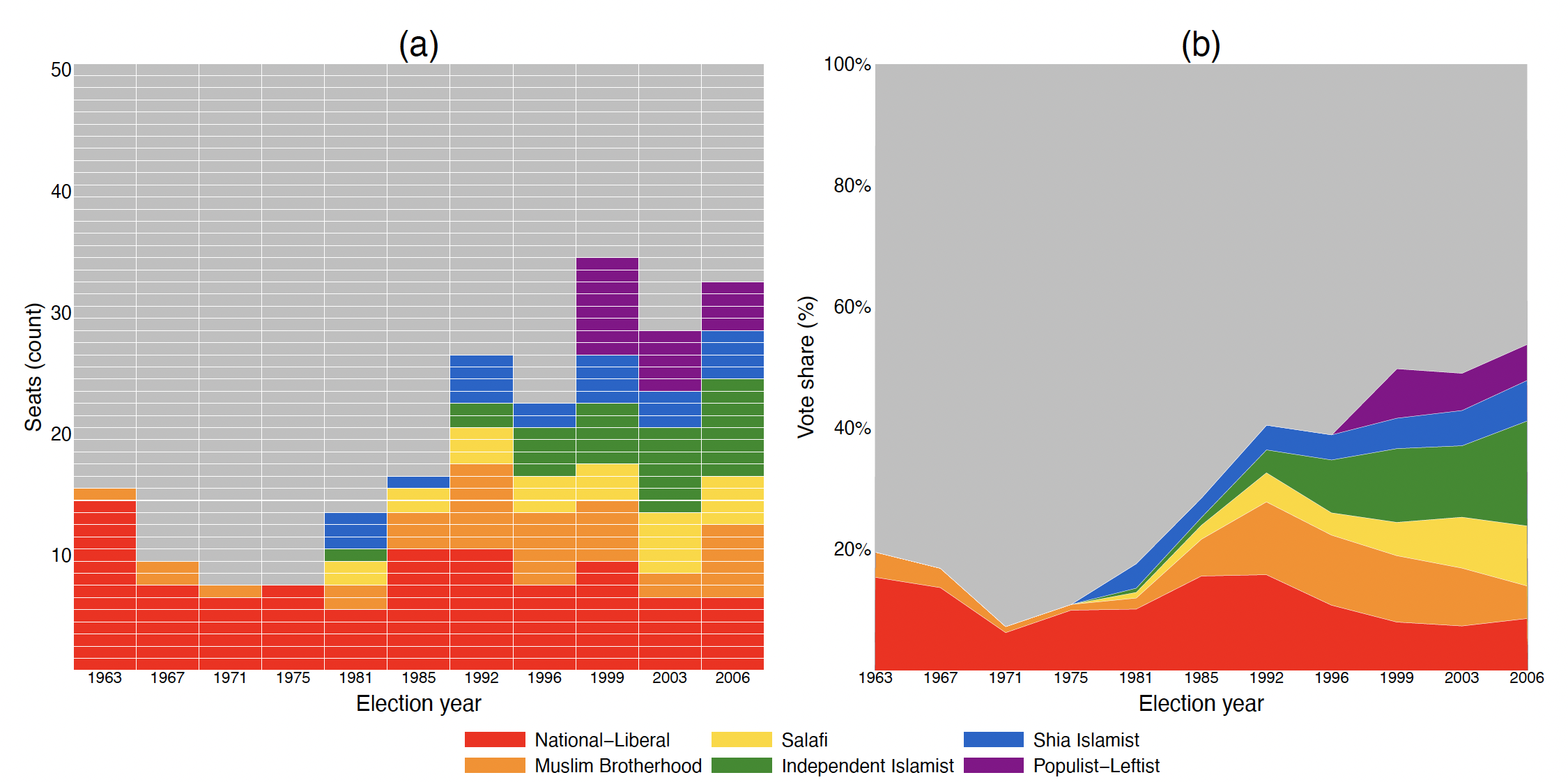
What makes this dynamic theoretically novel is its self-reinforcing character. As ideological mobilization diffuses across repeated electoral cycles, opposition compounds. Each electoral cycle deepens the stakes for ideological candidates, expands the coalition of voters invested in confrontational behavior, and raises the costs of backing down for legislators who have staked their careers on ideological credibility. The regime’s own responses often make things worse. The tools autocrats frequently deploy to control opposition, such as dissolving the legislature, redrawing electoral districts, or changing electoral rules, can backfire. These responses confirm for opposition movements and their supporters the narrative that the regime will not tolerate genuine accountability. As a result, voters return oppositional legislators to office in greater numbers. Over time, opposition adapts faster than the regime can contain it.
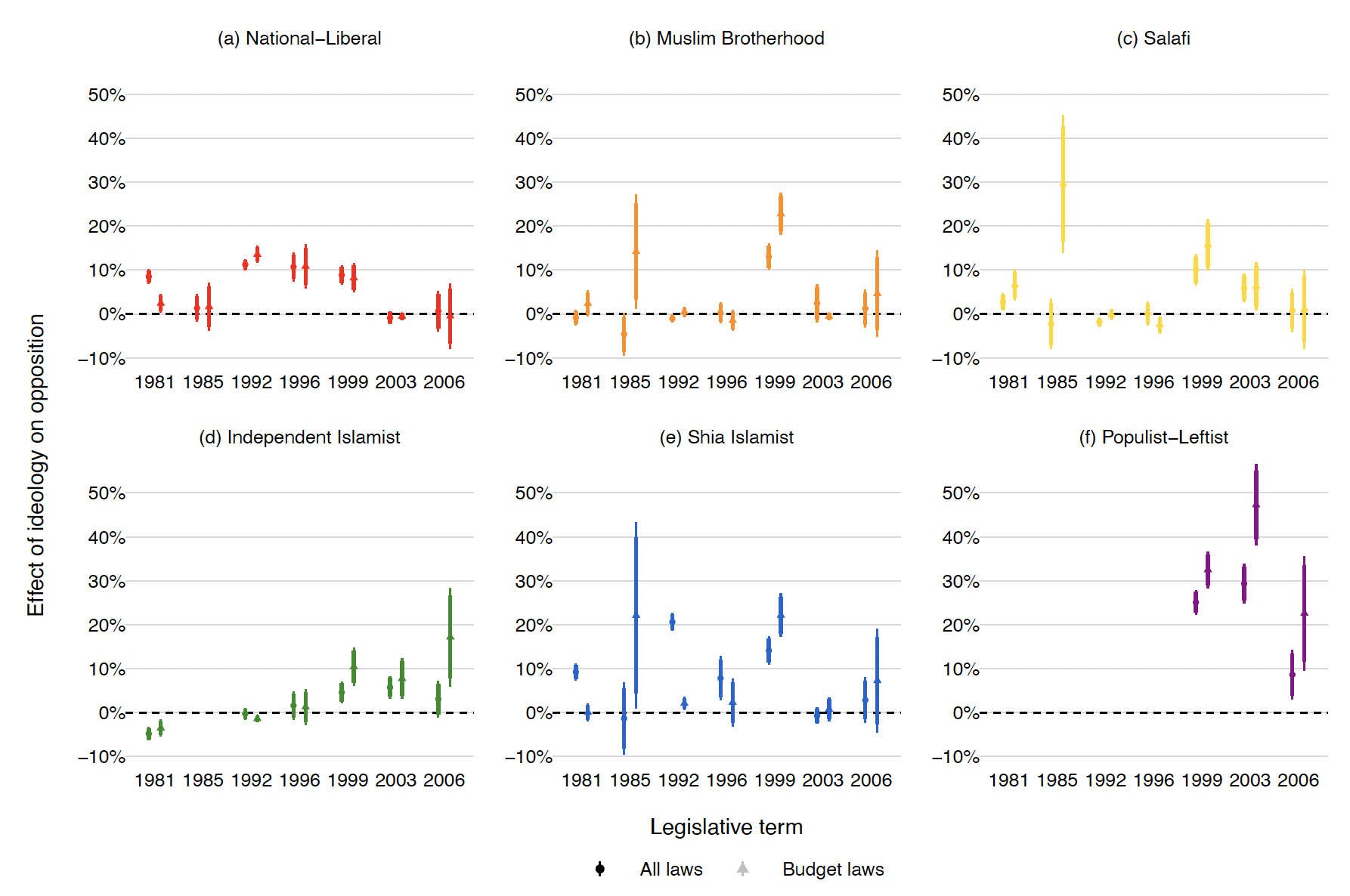
The book tests this argument against six decades of electoral and legislative politics in Kuwait, where one of the most resilient oppositions in the world has routinely challenged the ruling al-Sabah family since independence. The empirical evidence draws on an original dataset of candidate-level electoral results since 1963, an original dataset of roll call votes, legislative recommendations, legislative queries, and law proposals submitted to the Kuwait National Assembly, a dataset tracking the ethnic composition of electoral districts from 1981 to 2024, and extensive fieldwork including interviews with over 150 political elites. Together, the evidence shows that minority group candidates were significantly more likely to run on ideology, that ideological appeals attracted larger pockets of out-group electoral support, and that legislators who campaigned on ideology were substantially more likely to oppose the government.
Opposition argues that this story is not unique to Kuwait—but that understanding it requires a theory that links the origins of opposition to its persistence. The same logic helps explain why authoritarian elections around the world often produce meaningful oppositions that outlast the rules designed to control them.